
Family-Friendly Exercises Everyone Can Enjoy Together
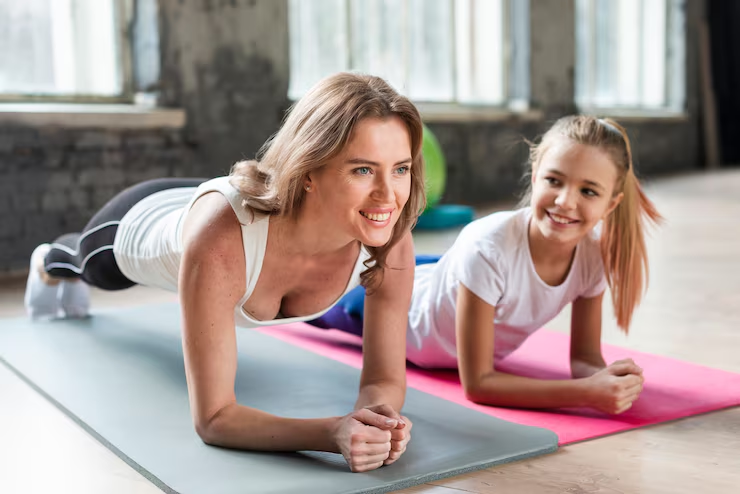
Staying active as a family strengthens more than muscles. Shared movement improves communication, builds teamwork, and creates positive memories. When exercise becomes a group activity rather than an individual task, consistency increases naturally.
Family-friendly workouts should be simple, adaptable, and enjoyable for different ages and fitness levels. The goal is participation—not perfection.
Why Exercising Together Matters
Regular physical activity supports heart health, muscle strength, flexibility, and mental well-being. When families exercise together, additional benefits emerge:
- Stronger emotional bonds
- Healthier lifestyle habits for children
- Reduced screen time
- Improved mood and stress management
- Greater accountability
Children are more likely to value fitness when they see it modeled consistently at home.
Outdoor Activities for All Ages
Outdoor exercise encourages natural movement and fresh air exposure. It also reduces the structure and pressure often associated with formal workouts.
Family Walks or Hikes
A brisk walk after dinner or a weekend trail hike provides moderate cardiovascular exercise. Adjust pace and distance based on the youngest participant.
Make it engaging by:
- Creating scavenger hunts
- Taking turns leading the group
- Setting small distance goals
Bike Rides
Cycling strengthens legs and improves endurance. Choose safe routes such as parks or bike paths. Helmets and basic safety guidelines are essential.
Active Playground Time
Climbing, swinging, and running offer natural strength and coordination training. Parents can join in rather than supervise from the sidelines.
Indoor Workouts for Busy Days
When weather or schedules limit outdoor activity, indoor exercises keep momentum going.
Bodyweight Circuit
Create a simple rotation:
- Squats
- Push-ups (modified for younger kids)
- Plank holds
- Jumping jacks
- Lunges
Perform each movement for 30 seconds and rotate twice. Keep it lighthearted and encourage cheering each other on.
Family Dance Party
Put on upbeat music and dance freely for 10–20 minutes. Dancing improves cardiovascular fitness and coordination while reducing stress.
Yoga or Stretching Sessions
Gentle yoga enhances flexibility and balance. Choose beginner-friendly poses such as:
- Downward dog
- Child’s pose
- Tree pose
- Cat-cow stretches
Breathing exercises can help children develop emotional regulation skills.
Turning Exercise into Games
Gamifying movement increases enthusiasm, especially for younger children.
Try these ideas:
- Fitness bingo with simple movements
- Relay races in the backyard
- Obstacle courses using household items
- “Follow the leader” workout rounds
- Step-count challenges
Competition should remain friendly and supportive.
Weekend Sports and Recreational Activities
Organized sports are helpful, but informal games often feel more relaxed and inclusive.
Consider:
- Soccer or basketball at a local park
- Frisbee toss
- Swimming
- Backyard tag
- Mini boot camps designed by rotating family members
These activities combine cardio, agility, and coordination training.
Making It Sustainable
Consistency matters more than intensity. To maintain a long-term routine:
- Schedule family activity time weekly
- Keep sessions short and engaging
- Allow children to suggest activities
- Focus on fun rather than performance
- Celebrate effort instead of results
Positive reinforcement builds lifelong habits.
Frequently Asked Questions (FAQ)
1. How often should families exercise together?
Aim for at least two to three shared sessions per week. Even short activities provide benefits when done consistently.
2. What if family members have different fitness levels?
Modify exercises to match individual ability. For example, some can hold a full plank while others use knee support.
3. How long should a family workout last?
Sessions can range from 15 to 30 minutes. Younger children may benefit from shorter, high-energy bursts.
4. Can toddlers safely participate?
Yes, through playful movement such as dancing, walking, or simple stretching. Keep activities age-appropriate and supervised.
5. How do we reduce resistance from reluctant participants?
Offer variety and choice. When children help select activities, participation improves.
6. Is structured exercise better than free play?
Both are valuable. Structured routines build discipline, while free play enhances creativity and natural movement.
7. What safety precautions should families consider?
Warm up before activity, stay hydrated, wear appropriate footwear, and ensure outdoor areas are safe and supervised.
Family-friendly exercise does more than improve physical health—it builds unity. When movement becomes a shared experience, fitness transforms into connection, laughter, and lasting memories.


