Yin Yoga for Burnout Recovery: Calming the Nervous System in Singapore Life
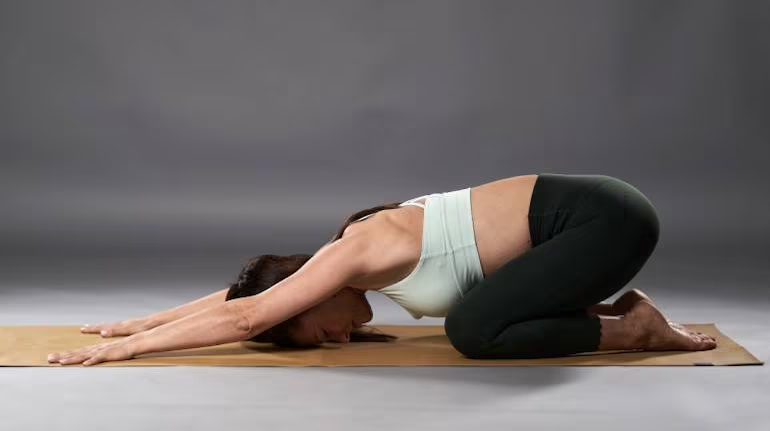
Modern life in Singapore moves fast. Long work hours, constant notifications, traffic, deadlines, and social expectations quietly build pressure in the body. Over time, this pressure can turn into burnout, a state where rest no longer feels restorative and even simple tasks feel heavy. Many people turn to exercise to cope, but high intensity workouts can sometimes add more stress instead of easing it. This is where yin yoga plays a powerful role, offering a slower, deeply grounding approach that supports real recovery, not just physical fitness.
Burnout is not simply mental fatigue. It is a nervous system issue. Yin yoga works at this deeper level by creating space, stillness, and time, helping the body shift out of constant alert mode and into genuine rest. This article explores how yin yoga supports burnout recovery, why it is especially relevant in Singapore’s lifestyle, and how regular practice can help you feel human again.
Understanding Burnout Beyond Tiredness
Burnout is often misunderstood as being overly tired or unmotivated. In reality, it is a prolonged stress response that affects the nervous system, hormones, digestion, sleep, and emotional regulation. When stress becomes chronic, the body stays stuck in a state of readiness, even when there is no immediate threat.
Common signs of burnout include:
-
Difficulty sleeping or waking up feeling unrefreshed
-
Persistent muscle tension, especially in the neck, hips, and lower back
-
Shallow breathing or frequent sighing
-
Emotional numbness or irritability
-
Brain fog and reduced focus
-
Feeling exhausted even after rest days
Traditional rest methods like scrolling on a phone or watching shows rarely resolve burnout because they do not signal safety to the nervous system. Yin yoga does.
How Yin Yoga Supports the Nervous System
Yin yoga is a slow, meditative style where poses are held for several minutes with minimal muscular effort. This approach sends a clear message to the nervous system that it is safe to relax. Instead of stimulating the body, yin yoga encourages release.
Parasympathetic Activation
The nervous system has two main modes. One prepares us for action, and the other supports rest and repair. Burnout keeps the body stuck in action mode. Yin yoga gently activates the rest and repair response through:
-
Long-held, supported postures
-
Deep, slow breathing
-
Minimal movement and effort
-
A calm, quiet environment
Over time, this retrains the body to switch out of stress more easily, even outside class.
Fascia Release and Emotional Storage
Fascia is the connective tissue surrounding muscles and organs. It responds to stress by tightening and holding patterns. Yin yoga targets fascia through sustained pressure and stillness, allowing tension to soften gradually.
Many practitioners notice emotional responses during yin poses, such as sudden calm, release, or even tears. This is not unusual. Stress and emotion often lodge in the body, especially around the hips, spine, and shoulders. Yin yoga creates a safe space for this release without forcing anything.
Why Yin Yoga Is Ideal for Burnout in Singapore
Singapore’s environment creates unique stressors. High humidity, packed schedules, and performance driven work culture can push the nervous system into constant overdrive. Yin yoga offers a counterbalance that feels deeply necessary rather than optional.
Climate and Physical Load
Heat and humidity increase physical fatigue and dehydration, even if you are not consciously exerting yourself. Yin yoga’s slower pace reduces strain while still supporting circulation and joint health. It is particularly helpful when you feel drained but still want to move.
Desk Culture and Postural Stress
Many people in Singapore spend long hours seated. This leads to compressed hips, tight lower backs, rounded shoulders, and neck tension. Yin poses gently open these areas without requiring strength or flexibility.
Common areas addressed in yin yoga include:
-
Hip flexors and deep hip rotators
-
Spine and lower back
-
Chest and shoulders
-
Hamstrings and calves
This physical decompression directly affects how the nervous system feels safety and space.
The Mental Benefits of Stillness
Burnout often includes mental exhaustion, not just physical fatigue. Yin yoga helps quiet mental noise by removing constant stimulation.
Training the Mind to Pause
Holding a pose for several minutes teaches the mind to stay present without distraction. There is no rush to move on or achieve anything. This practice builds tolerance for stillness, which is often uncomfortable for burnt out individuals at first.
Over time, practitioners notice:
-
Reduced racing thoughts
-
Greater emotional clarity
-
Improved patience and focus
-
A calmer response to stress triggers
This mental shift often carries into daily life, improving how you handle work pressure and personal relationships.
Breath as a Reset Tool
In yin yoga, breathing becomes slow, natural, and unforced. This type of breathing stimulates the vagus nerve, which plays a key role in regulating stress responses.
Regular practice can lead to:
-
Lower resting heart rate
-
Improved sleep quality
-
Easier digestion
-
Reduced anxiety symptoms
Breath awareness during yin poses becomes a tool you can use anytime stress arises.
Burnout Recovery Is Not Linear
One of the most important lessons yin yoga offers is patience. Burnout recovery does not happen overnight. Some days you may feel deeply relaxed after class. Other days you may feel restless or emotional. Both are part of the process.
Yin yoga teaches you to listen rather than push. This mindset shift is crucial for sustainable recovery.
Letting Go of Performance
In a performance oriented culture, even self care can feel like another task to optimise. Yin yoga invites you to let go of improvement goals and simply experience the practice.
There is no perfect pose. There is no ideal depth. What matters is how supported and safe you feel.
This philosophy is central to the approach at Yoga Edition, where yin yoga classes are designed to prioritise nervous system health, not just physical shapes.
Integrating Yin Yoga into a Busy Schedule
Burnout often convinces people they do not have time for slow practices. In reality, these practices save time by improving energy and focus.
How Often to Practise
For burnout recovery, consistency matters more than intensity.
A helpful guideline:
-
1 to 2 sessions per week for maintenance
-
2 to 3 sessions per week during high stress periods
Even one class can make a noticeable difference in sleep and mood.
Pairing Yin with Other Activities
Yin yoga pairs well with:
-
High intensity workouts, to balance stress
-
Long workdays, as an evening reset
-
Travel or irregular schedules, to ground the body
Think of yin yoga as nervous system hygiene, not optional relaxation.
Physical Safety and Support in Yin Yoga
Burnout often comes with reduced body awareness. Yin yoga emphasises props and support to ensure safety.
Common supports include:
-
Bolsters under the spine or hips
-
Blocks to reduce strain
-
Blankets for warmth and comfort
This allows the body to relax fully, which is essential for nervous system recovery.
Long Term Effects of Yin Yoga Practice
With regular practice, many people report changes that go beyond the mat.
These include:
-
Feeling calmer during work stress
-
Improved emotional resilience
-
Better sleep patterns
-
Reduced chronic pain
-
A more compassionate relationship with their body
Burnout recovery is not about becoming more productive. It is about feeling present, grounded, and alive again.
Real Life FAQ
Q: Can yin yoga help if I feel emotionally numb rather than stressed?
A: Yes. Emotional numbness is a common burnout response. Yin yoga gently reconnects you with bodily sensations, which can help emotions surface safely over time without forcing expression.
Q: Is yin yoga suitable if I already feel exhausted all the time?
A: Yin yoga is specifically designed for low energy states. Because poses are supported and slow, it helps restore energy rather than deplete it.
Q: How long does it take to notice benefits for burnout recovery?
A: Some people notice better sleep and calm after one session. Deeper changes usually appear after a few weeks of consistent practice.
Q: Can yin yoga replace therapy or medical support for burnout?
A: Yin yoga is a supportive practice, not a replacement for professional care. It works best alongside medical or therapeutic guidance when burnout is severe.
Q: What should I do if I feel emotional during a yin class?
A: Emotional responses are normal. Stay with your breath, adjust the pose if needed, and allow the experience without judgement. Teachers are trained to support this process safely.
Q: Is yin yoga appropriate for people with joint issues or injuries?
A: Yes, when practised with proper guidance and props. Always inform the instructor about injuries so poses can be adapted.
Burnout is a signal, not a failure. Yin yoga offers a way to listen to that signal, slow down, and rebuild your relationship with rest. In a city that rarely pauses, this practice creates space for recovery where it matters most.