
Decluttering Your Home for a More Peaceful Life
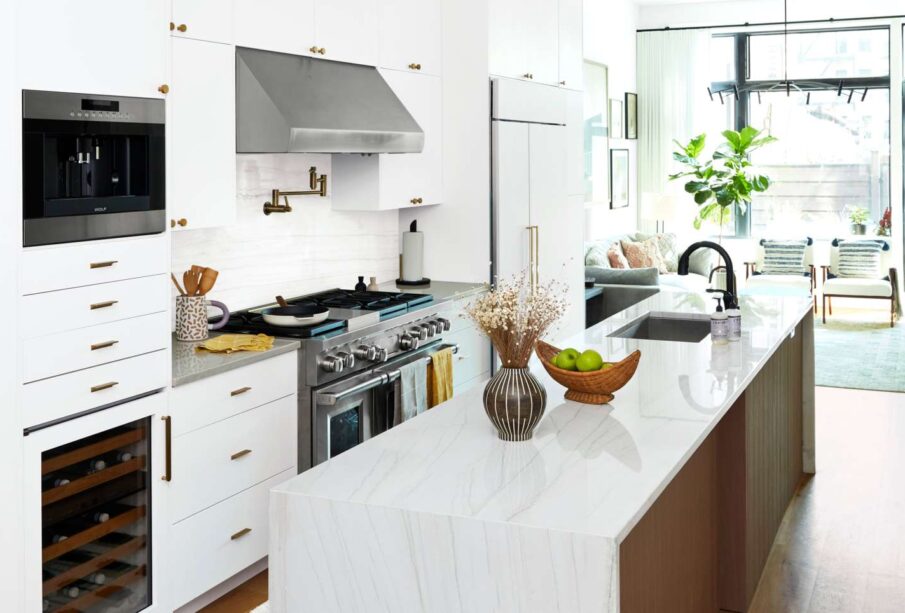
A cluttered home often creates more than visual noise. It can increase stress, reduce productivity, and make daily routines feel heavier than they need to be. Physical surroundings influence mental clarity, and when spaces feel chaotic, it becomes harder to relax.
Decluttering is not about perfection or extreme minimalism. It is about creating an environment that supports calm, focus, and intentional living.
Why Clutter Affects Your Well-Being
Research in environmental psychology suggests that clutter can overload the brain with excessive stimuli. When every surface is filled, the mind struggles to filter what deserves attention.
Clutter may contribute to:
- Increased stress levels
- Difficulty concentrating
- Reduced motivation
- Poor sleep quality
- Feelings of overwhelm
Simplifying your environment often leads to improved emotional balance.
Start Small and Stay Focused
Trying to declutter an entire home in one weekend often leads to burnout. Sustainable progress comes from manageable steps.
Begin with:
- A single drawer
- One kitchen cabinet
- A bathroom shelf
- A small section of your closet
Completing small tasks builds momentum and prevents decision fatigue.
Use the “Keep, Donate, Discard” Method
A structured system makes decisions easier.
As you sort items, ask:
- Have I used this in the past year?
- Does this item serve a clear purpose?
- Does it add value to my daily life?
Place items into three categories:
- Keep – Useful and meaningful
- Donate – In good condition but no longer needed
- Discard – Broken, expired, or unusable
This simple framework reduces hesitation.
Clear Surfaces for Immediate Impact
Visible areas influence perception more than hidden storage spaces. Clearing countertops and tabletops creates a noticeable sense of order.
Focus on:
- Kitchen counters
- Entryway tables
- Nightstands
- Bathroom sinks
- Coffee tables
Open space promotes visual calm and easier cleaning routines.
Organize What You Choose to Keep
Decluttering is only half the process. Organization ensures items remain manageable.
Effective organizing strategies include:
- Using labeled storage bins
- Assigning a “home” for every item
- Storing frequently used items within easy reach
- Rotating seasonal items
An organized space reduces time spent searching for belongings.
Adopt Mindful Purchasing Habits
Preventing future clutter is just as important as removing existing items.
Before buying something new, consider:
- Do I truly need this?
- Where will it be stored?
- Will it replace something I already own?
Mindful consumption protects the progress you’ve made.
Create a Daily Reset Routine
Maintaining a peaceful home requires small, consistent habits.
Try a 10-minute evening reset:
- Return items to their designated spots
- Clear surfaces
- Tidy shared areas
- Prepare for the next day
Regular upkeep prevents clutter from rebuilding.
The Emotional Side of Letting Go
Some belongings carry sentimental value. It’s normal to feel attached to objects connected to memories.
When facing difficulty:
- Take photos of meaningful items
- Keep a small memory box
- Focus on the memory rather than the object
- Release guilt tied to unused possessions
Letting go can create emotional space as well as physical space.
Benefits of a Decluttered Home
A simplified environment offers tangible rewards.
You may experience:
- Greater mental clarity
- Improved productivity
- Faster cleaning routines
- Reduced stress
- A stronger sense of control
A peaceful home often supports healthier habits in other areas of life.
Frequently Asked Questions (FAQ)
1. How often should I declutter my home?
A major decluttering session once or twice a year is helpful, but small weekly resets maintain order more effectively.
2. What if other family members resist decluttering?
Focus on your personal spaces first. Lead by example rather than forcing change. Shared spaces can be addressed through calm discussion.
3. How do I handle sentimental items?
Limit sentimental storage to a defined space, such as one box. Keep items that truly hold meaning and release the rest.
4. Can decluttering really reduce stress?
Yes. A simplified environment reduces visual distractions and decision fatigue, which can lower stress levels.
5. Is minimalism necessary for a peaceful home?
No. The goal is functionality and comfort, not extreme minimalism. Keep what supports your lifestyle.
6. How long does it take to see results?
Even clearing one visible area can create an immediate sense of relief and accomplishment.
7. What’s the biggest mistake people make when decluttering?
Attempting too much at once. Sustainable progress comes from steady, manageable efforts.
Decluttering is not about removing everything—it is about keeping what truly serves you. By creating intentional space in your home, you create room for calm, clarity, and a more peaceful daily life.


