
Understanding Nerve Compression: When Conservative Spine Treatment May Not Be Enough
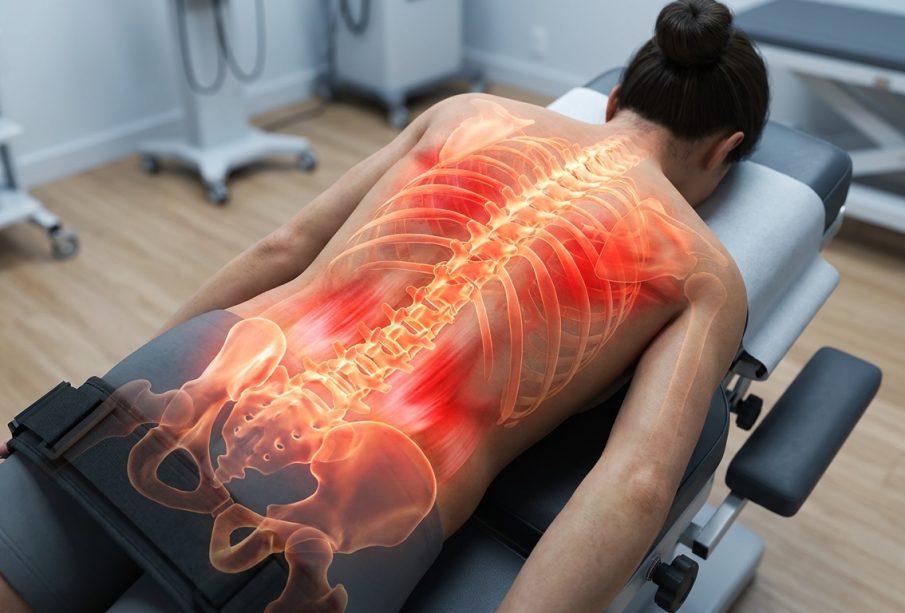
Nerve compression can produce symptoms that extend far beyond ordinary back or neck discomfort. Depending on the location and severity, individuals may experience radiating pain, tingling, numbness, weakness, or difficulty performing familiar movements. Although many spinal nerve conditions improve with conservative treatment, some require additional investigation because ongoing compression or progressive neurological changes may affect long-term function.
When symptoms persist despite appropriate initial treatment or neurological function begins deteriorating, consultation with a neurosurgery doctor may be considered as part of a coordinated care plan. A neurosurgical specialist can assess relevant clinical findings and imaging, explain potential treatment options, and determine whether surgical intervention is appropriate or continued nonsurgical management is preferable.
How Spinal Nerves Become Compressed
The spinal cord and nerve roots travel through protected spaces formed by the vertebrae and surrounding structures. These nerves transmit information between the brain, muscles, skin, and other parts of the body.
Compression can occur when a herniated disc, degenerative changes, narrowing of the spinal canal, or another structural abnormality places pressure on neural tissue.
The effects depend on which structures are involved. Pressure on a nerve root in the lower back may produce symptoms extending into the leg, while compression in the neck can affect an arm or hand.
However, structural findings alone do not establish the diagnosis. Some people have disc abnormalities on imaging without experiencing significant symptoms.
Recognizing Common Nerve-Related Symptoms
Radiating pain often follows a recognizable pattern. A person with lumbar nerve irritation may describe discomfort extending from the lower back into the buttock, thigh, or lower leg.
Cervical nerve compression may cause pain involving the neck, shoulder, arm, or hand. Tingling and altered sensation can accompany these symptoms.
Weakness is particularly important because it can indicate impaired nerve function. Patients may notice difficulty gripping objects, climbing stairs, lifting a foot, or maintaining normal coordination.
The distribution and severity of these symptoms provide clues, but a physical examination is necessary to interpret them correctly.
Why Accurate Diagnosis Matters
Not every radiating pain condition results from spinal nerve compression. Peripheral nerve disorders, muscular problems, joint conditions, and other neurological diseases can produce overlapping symptoms.
Clinical evaluation may include testing muscle strength, sensation, reflexes, and movements that reproduce or relieve symptoms.
When indicated, MRI can provide detailed information about discs, neural structures, and possible areas of compression. Additional testing may be useful when the diagnosis remains uncertain.
Diagnostic results should be considered alongside the patient’s symptoms. Treatment decisions based solely on imaging abnormalities risk addressing findings that are not clinically significant.
Conservative Treatment and Expected Recovery
Many spinal nerve conditions can initially be treated without surgery, provided there are no urgent neurological concerns. Conservative management may involve medication, appropriate physical activity, supervised rehabilitation, and modifications to aggravating tasks.
Physical therapy can help improve movement tolerance, muscular conditioning, and confidence during daily activities.
In selected cases, clinicians may discuss targeted injections intended to reduce particular types of nerve-related inflammation or discomfort.
The response to treatment varies. Some patients experience meaningful improvement within weeks, while others require longer follow-up or a different clinical approach.
Why More Treatment Is Not Always Better
Persistent symptoms can lead patients to pursue repeated interventions without a clear explanation of the underlying problem. However, adding medications or procedures does not automatically improve outcomes.
A treatment plan should have measurable goals and a reasonable clinical rationale. If a therapy produces little improvement, clinicians should reassess the diagnosis and consider alternatives.
Unnecessary interventions expose patients to additional cost, inconvenience, and potential adverse effects without guaranteeing functional benefit.
Shared decision-making helps ensure that treatment reflects both clinical evidence and the patient’s priorities.
When Surgical Evaluation Becomes Relevant
Neurosurgical assessment may be appropriate when disabling symptoms continue despite a reasonable course of conservative management, particularly when imaging identifies a structural problem consistent with the clinical findings.
Progressive weakness or signs of spinal cord dysfunction can change the urgency of evaluation. Decisions depend on the affected anatomy, severity, neurological findings, overall health, and likely benefits of intervention.
Importantly, a surgical consultation is not the same as a recommendation for surgery. A neurosurgeon may conclude that continued nonsurgical management is the most suitable approach.
Understanding the Goals of Spinal Surgery
When surgery is recommended, the objective is usually to address a specific anatomical problem. Depending on the condition, a procedure may aim to relieve pressure on a nerve or stabilize an affected spinal region.
Different procedures involve different levels of complexity, recovery requirements, and potential complications.
Surgery may improve particular neurological symptoms or radiating pain, but it cannot guarantee complete relief from all back or neck discomfort.
Patients should ask which symptoms are most likely to improve, which may persist, and what rehabilitation will involve.
Recovery and Rehabilitation After Treatment
Whether treatment is surgical or nonsurgical, restoring physical function remains an important goal. Patients may need to rebuild strength, improve endurance, and gradually resume activities that became difficult during the symptomatic period.
After surgery, rehabilitation must follow the restrictions and recommendations of the treating team. The appropriate recovery plan depends on the procedure and individual circumstances.
Patients should avoid interpreting every temporary fluctuation in discomfort as treatment failure. However, new weakness, unexpected neurological changes, or significant deterioration requires reassessment.
Emergency Warning Signs
New loss of bladder or bowel control, numbness around the groin, or rapidly progressive weakness associated with spinal symptoms can indicate serious nerve compression requiring emergency evaluation.
Increasing difficulty walking, major changes in coordination, or other progressive neurological deficits should receive prompt medical attention.
Severe symptoms following trauma and signs of serious infection also require urgent assessment rather than a routine appointment.
Conclusion
Nerve compression can range from a temporary, manageable condition to a serious neurological problem. Understanding the symptoms, establishing an accurate diagnosis, and monitoring neurological function are central to appropriate care. Conservative treatment remains suitable for many patients, while specialist evaluation becomes important when symptoms persist, function deteriorates, or urgent warning signs appear. Informed decisions depend on matching treatment to the individual’s clinical findings rather than assuming that surgery or continued rehabilitation is always the correct answer.